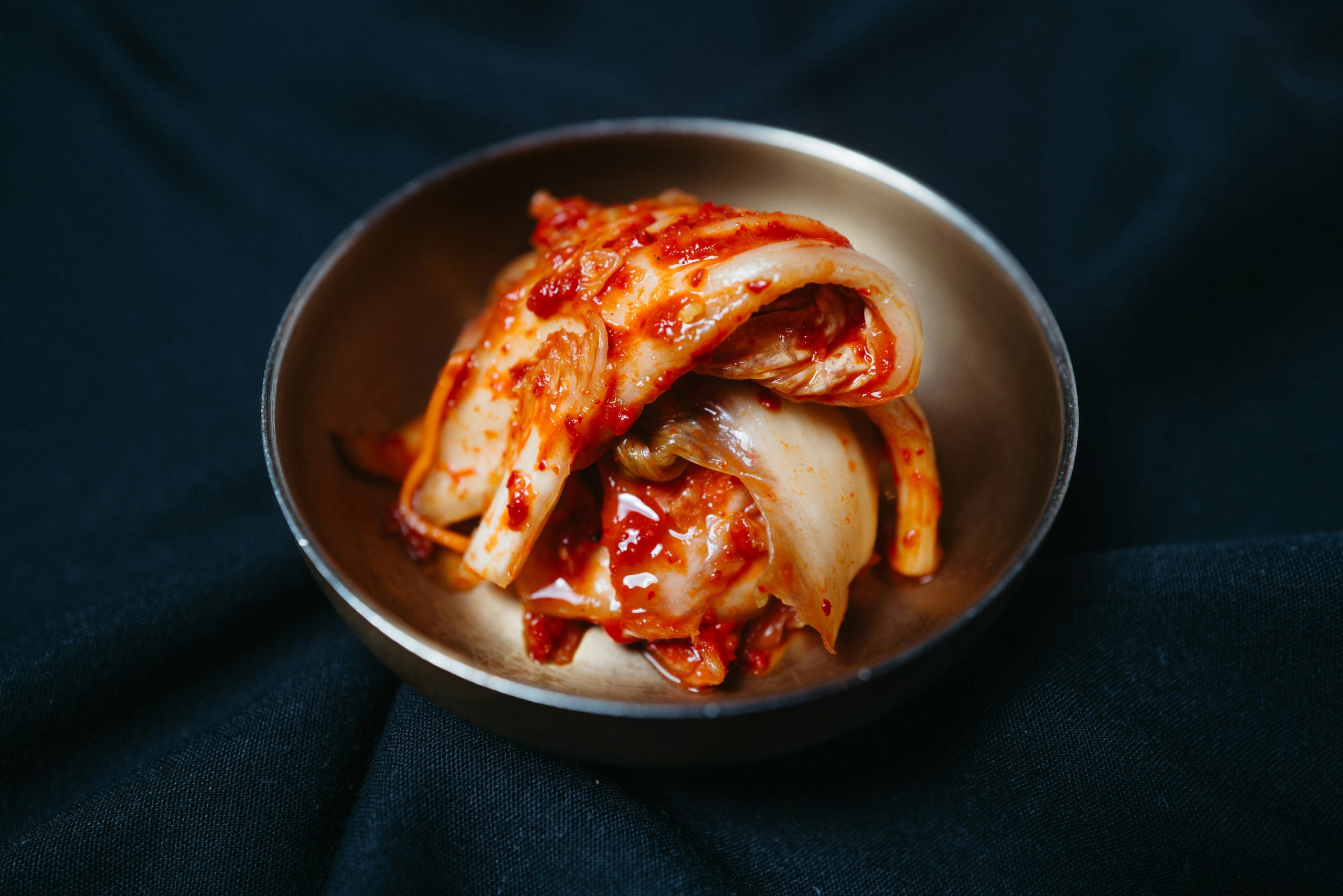
Korean Kimchi: The Art of Authentic Fermentation

Korean Kimchi:
The Evolution from Accompaniment to Centrepiece”

History

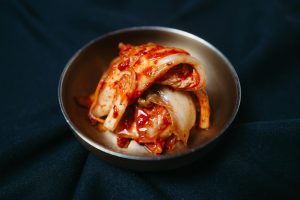
Like all other preserved food, this dish also was born through the need for survival and for safeguarding a few calories to eat in the harsh Korean winters, where it was extremely difficult to even sprout a seed. While kimchi started as a process of preserving radishes (It was the local produce at that time of the era), which in fact was made without the loved spice and aromatics of a garlic, ended up as a way to preserve cabbages (as Napa cabbage became prevalent in the markets of Korea through trade) which has now emerged as the most beloved hot and tangy Korean dish around the world.

The first written records reflect that first kimchi was made during the Goguryeo period.

And of course, it would be naive of us to think that the Korean ancestors were boring enough and not to have  experimented with kimchi beyond ‘cabbage’, so like every other dish in the world, this one too evolved into numerous variations over time.

The Essentials of

Kimchi

Gochugaru (Red pepper flakes):
A Korean spice, literally translating to gochu being red pepper and garu meaning powder. Traditionally made with peppers classified as taeyangcho (sun-dried), then deseeded and crushed into a rough powder.

Aromats:
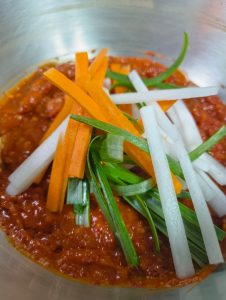
The addition of radish, scallion, carrots & chives elevates the profile of kimchi and also gives a crunch with every bite.

Porridge:
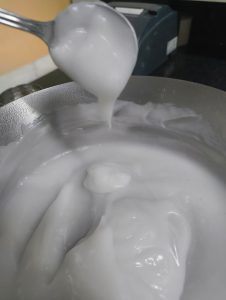
A porridge made with rice flour is essential in making kimchi as it feeds the fermentation process, helps the spices to stick in all crevices of the cabbage, and gives body to kimchi.

Umami essentials:
It isn’t an Asian dish if it is not filled with umami, so keeping up with the trend, kimchi also uses fish sauce and saeujeot (salted shrimp paste) to level up its game.

Onggi:
A traditional Korean earthenware pot used to ferment foods like kimchi. It has a breathable wall which allows the CO2 to escape and circulates air inside, creating a great environment for the ferment. I am pretty sure you won’t have onggi at your home, so you can use any airtight plastic container as well.

the kimchi combination

Made with green onions, or jjokpa (a local Korean spring onion variety available in the spring season), the other ingredients are similar to those of its counterparts. A unique feature of this dish is the use of dried squid, which gives it a chewy texture and an added depth of umami.

“Radish kimchi” is made from Korean radish (mu), a large, bulbous white radish with green ends. It is cut into large cubes and then fermented. It is usually eaten with a milky soup made from ox bones.

It is a dish that, once you try it, you won’t be able to move on from easily—you’ll get hooked on this cucumber kimchi. Made with small Korean cucumbers, sliced into quarters lengthwise with one end left intact, it is then stuffed with chopped onion, carrot, and scallion. It is not meant to ferment for a long period.

Traditional Korean Kimchi

5 from 3 votes
A traditional Korean dish made by fermenting salted cabbage with a spicy, flavorful seasoning paste.
Prep Time 2 hours 30 minutes
Fermentation Time 4 days
Course: Side Dish
Cuisine: Korean

Ingredients
  

Salting the Cabbage
  • 1 kg Napa cabbage
  • 1/4 cup Salt
For Rice porridge
  • 1 ½ cup Water
  • 2 tbsp Glutinous rice flour
  • 2 tbsp Brown sugar
Aromatics and Vegetables
  • ½ cup Radish Cut into batons
  • ½ cup Spring onion / Asian chives Cut the greens into 2 inch long strips
  • ½ cup Carrot Cut into batons
  • 2 tbsp Onion Chopped very finely
  • 2 tbsp Garlic Chopped very finely
  • 1 tbsp Ginger Chopped very finely
Seasonings & Spices
  • 1 tbsp Fish sauce
  • 2 tbsp Gochugaru / red pepper flakes
  • 2 tbsp Saeujeout (Shrimp paste)

Equipment

  • 2 Mixing bowls
  • 1 Sauce pan
  • 1 Onggi / Plastic container

Method
 

Salting the Cabbage
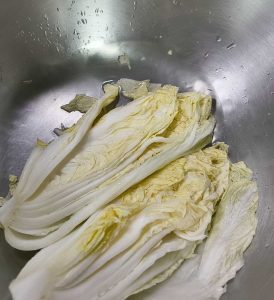
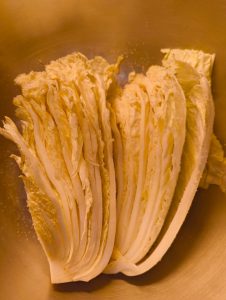
  1. Cut 1 kg Napa cabbage, first slice it into half lengthwise & then repeat again with each half making 4 quarters of a cabbage.
  2. Rub 1/4 cup Salt on the leaves of cabbage. Make sure to salt each leave so that it releases water and wilts.
  3. Once salted keep it in a bowl for 2 hours to do its work. After sometime you will see the cabbage sitting on the pool of salted water.
  4. Once the cabbage has released water, wash the leaves thoroughly, in order to remove all excess salt.
To make rice porridge
  1. In a pan take1 ½ cup Water, 2 tbsp Glutinous rice flour & 2 tbsp Brown sugar, mix them well while heating it until it turns into a thick paste.
Seasonings & Aromatics
  1. Add finely chopped 2 tbsp Onion , 2 tbsp Garlic & 1 tbsp Ginger to the porridge along with 1 tbsp Fish sauce, 2 tbsp Gochugaru / red pepper flakes &2 tbsp Saeujeout (Shrimp paste).
  2. Mix it well and then add batons of ½ cup Radish, ½ cup Spring onion / Asian chives & ½ cup Carrot.
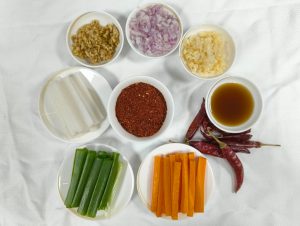
  3. In order to enhance the flavour I added a tablespoon of Gochujang paste (optional).
The Final Amalgamation
  1. Rub the marinade on the cabbage leaves, making sure that each leave is covered in the spicy hot mix.
  2. Take onggi or a plastic container, add the cabbage in it, cover it properly and let it rest for the magic to happen.
  3. Keep it at room temperature for about 2 days and then in the fridge for 2 days. After 4 days you will see the cabbage being nicely lacto fermented and the sugars being transformed to lactic acid.
  4. You can eat it then or keep it in the fridge for some more days depending on how sour you want your kimchi to be.

the versatility of kimchi

a Koren classic stew made with kimchi, pork, tofu and scallion.

A fried rice with addition of kimchi and a fried egg helps the soul find a balance between acid-umami-texture-flavour.

This is something that can get you addicted. Add some aromats and chopped kimchi to your ramen broth and and you will find yourself having a soft corner for this variety only after the first slurpp.

The process of fermentation tells you that, if given sufficient time, the right environment, and that much-needed care, it transforms from a bland and basic state into something alive and marvelous—be it in life or in a dish.

I highly recommend you try this kimchi recipe and witness the magic with your own eyes… or don’t, and miss out.

Also if you are interested in learning more about fermentation, do give my blog on ‘Sourdough’ a quick read.

Leave a Comment

Your email address will not be published. Required fields are marked *

Recipe Rating


3 thoughts on “Korean Kimchi: The Art of Authentic Fermentation”

Scroll to Top